Boost LL97 Compliance with the Beneficial Electrification Credit
The beneficial electrification credit (BE Credit) is an incentive under New York City’s Local Law 97. The credit rewards building owners who replace fossil fuel systems with highly efficient electric heating, cooling, and hot water equipment. It can help them achieve LL97 compliance and/or minimize penalties, by allowing them to claim lower emissions now and in future compliance years, depending on when the measure is installed. These credits are particularly valuable for buildings that complete electrification upgrades before 2027, helping to maximize emissions reductions and avoid LL97 penalties.
Interested in taking advantage of the BE Credit? You can find more information about the BE Credit in the Article 320 Information Guide and NYC Accelerator is here to guide you through the process, help you explore electrification options, and support you with LL97 compliance assistance to drastically reduce or avoid annual penalties.
What is the BE Credit and how can it support LL97 compliance?
The BE Credit is designed to incentivize building owners to replace fossil fuel systems with high-efficiency electric heating and water heating solutions. With approximately 40% of the city’s total greenhouse gas emissions stemming from heating and hot water, transitioning to electric systems is crucial for reducing overall emissions and achieving compliance with LL97, which sets carbon reduction targets for buildings in New York City. Owners who replace fossil fuel equipment early can receive a credit against emissions limits for the first or second compliance period.
Negative coefficient: Under LL97, an owner installing high-efficiency electricity-using equipment (like a heat pump) for heating, cooling, and hot water that displaces fossil fuel or steam-using equipment can multiply the energy use of the new equipment by a negative emissions coefficient to generate a deduction against total emissions. Any equipment installed prior to 2027 will receive double the credit.
What projects are eligible for the BE Credit?
To take advantage of the BE Credit, building owners should focus on projects that involve the replacement of fossil fuel-based systems with electric alternatives. Eligible projects include:
Heat Pump Water Heaters (HPWHs):
- Offer significant emissions reductions with minimal occupant disruption.
- Help fuel oil-dependent buildings avoid fines at a lower cost than other options.
Space Heating Electrification:
- Reduces emissions quickly and allows you to begin earning credits sooner. Full space heating electrification, while more expensive, can eliminate fines without relying on the BE Credit.
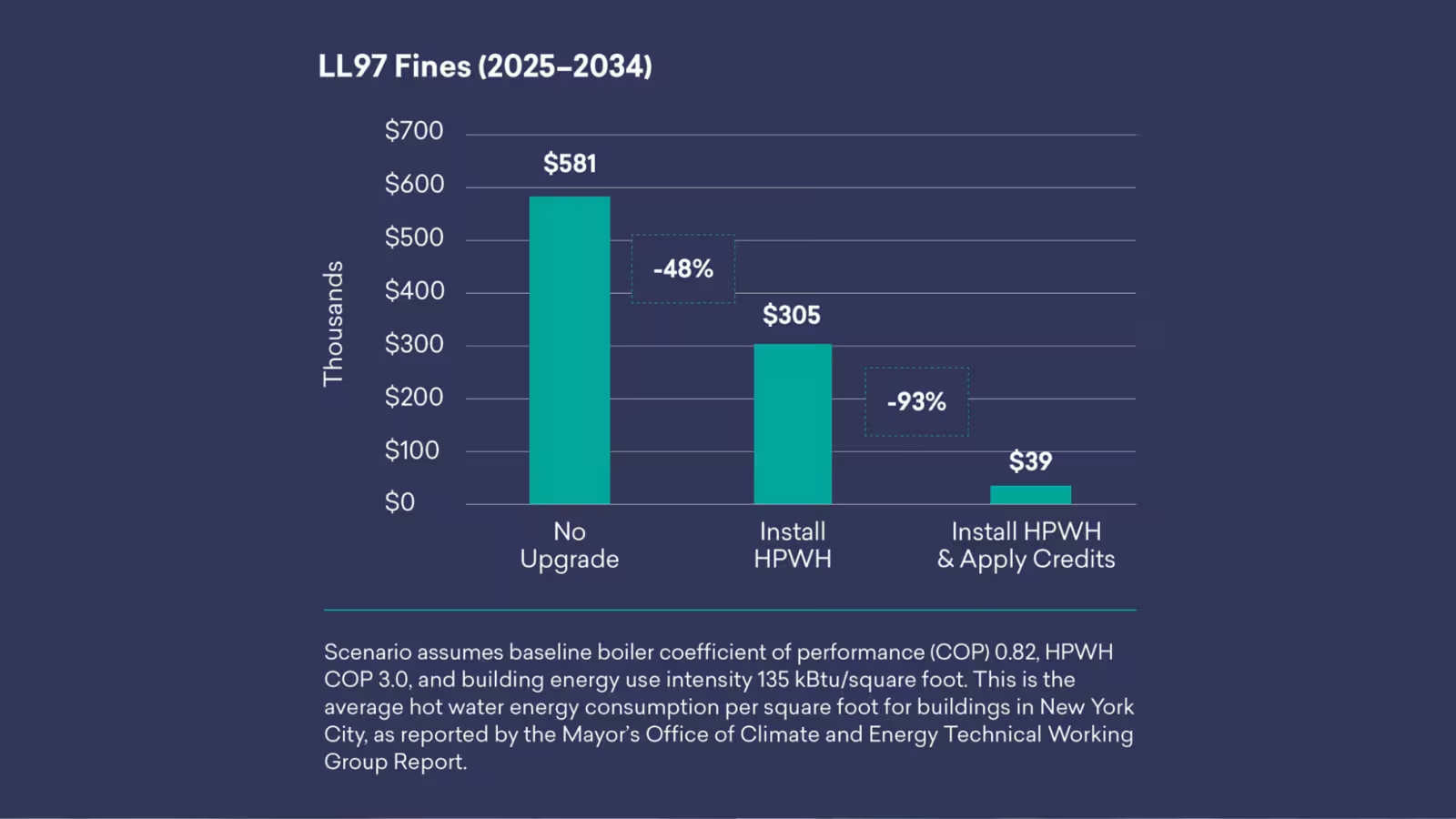
How does credit banking work for Local Law 97 compliance?
BE Credits can be banked for future use with certain limitations:
- Credits must be applied in full to a single compliance year and cannot be combined for use in the same year.
- Early projects completed before 2027 earn double credits, maximizing their future value, while those from 2027 to 2029 receive standard credits.
- Electricity usage from new heat pump systems further reduces total building emissions.
The table below outlines the number of years a building owner can apply greenhouse gas (GHG) savings credits based on when new heat pump systems are installed:
| Year the equipment was installed | Year eligible for GHG savings credit |
|---|---|
| Installed by 2024 | 6 years of credit between 2024 and 2036 |
| Installed in 2025 | 5 years between 2025 and 2035 |
| 2026 | 4 years between 2026 and 2034 |
| 2027 | 3 years between 2027 and 2034 |
| 2028 | 2 years between 2028 and 2034 |
| 2029 | 1 year between 2029 and 2034 |
How do I apply for the beneficial electrification credit?
There is no separate application for the BE Credit. It will be recognized in your building’s LL97 filing through the DOB Now portal after you install eligible heat pump equipment before 2030.
For more detailed information, please read the DOB rules package released in December 2023 and refer to the Article 320 Information Guide.
Resources for Beneficial Electrification
Beneficial Electrification Overview
Understand how you can comply with LL97 and maximize the benefits of installing an electric heating and water system through the beneficial electrification credit.
LL97 Support
Get more information about LL97 and learn how NYC Accelerator can help you achieve compliance and avoid potential penalties.
Find Financing and Incentives
Explore financing and incentives tailored to your building's needs, connect with lenders, and receive ongoing support to assess options.
Find a Provider Tool
Use our search tool to quickly find vetted service providers in your area to help you with building projects and upgrades.
Point-of-Use Domestic Hot Water
Explore point-of-use (POU) electric domestic hot water (DHW) heaters as a decentralized, highly efficient retrofit option to electrify a building’s domestic hot water system.
Eliminate No.4 Oil
Get free assistance to eliminate No. 4 oil from your building, along with personalized guidance on fuel-switching options.
Heat Pump Case Study
Learn how an energy efficiency makeover helped a historic Manhattan building improve comfort and comply with local building energy laws.